Tower rides are among the most visible attractions a park can install, and they come in three broad types: pure free fall, spinning, and combination rides that do both. Each delivers a different sensation, requires different space, and attracts a slightly different audience. This guide compares the options so operators can choose the right drop tower ride for sale for their park.
Free Fall Towers: Pure Adrenaline
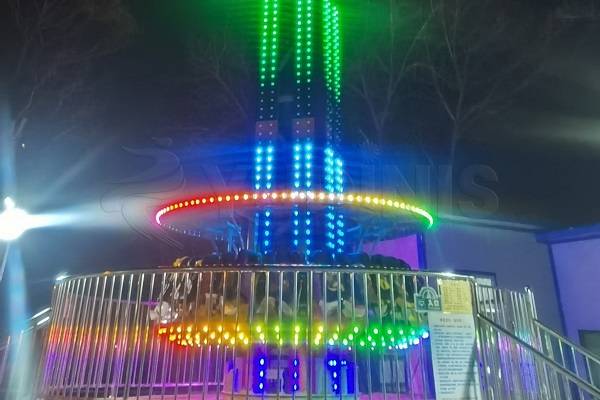
A classic free fall tower lifts guests slowly and releases them in a controlled drop with strong braking at the base. The sensation is instant and highly shareable, and the ride’s silhouette makes it a landmark from across the park. Heights from about 15 to 60 metres cover most parks, with capacity depending on the number of seats and the length of the cycle.
Spinning Towers: Rotation and Views
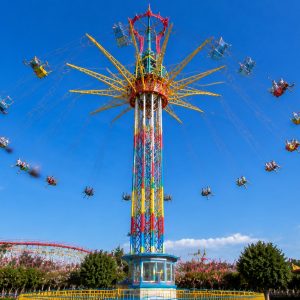
Spinning towers rotate as they rise, giving guests a panoramic view before descending. The experience feels less abrupt and often appeals to families and visitors who find a straight drop intimidating. Rotation also creates a strong visual effect at night when combined with lighting, and the ride is usually gentler on throughput because loading is similar to a free fall tower.
Combination Thrill Rides
Combination towers add rotation, tilt, or a bouncing sequence to the drop. They deliver a longer, more varied experience and can be themed more freely, which suits parks competing on storytelling. Because the cycle includes several phases, capacity per hour is generally lower than a pure drop tower, so the decision depends on whether your audience values intensity or variety.
Capacity, Footprint, and Investment
Compare models using seats per cycle, cycle time, and hourly throughput rather than seat count alone. A 24-seat tower with a two-minute cycle serves around 700 guests per hour; a similar tower with a three-minute cycle serves about 480. Ask each supplier for measured throughput figures at your intended cycle time, because theoretical capacity and real capacity often differ by fifteen to twenty percent. Footprint, foundation loads, and the safety zone also differ, and the free fall tower investment should include installation, foundations, and power supply.
Site, Power, and Weather
Towers are tall structures exposed to wind, so the foundation and structural design must match local conditions. Confirm electrical supply for the lift and control systems, and consider drainage around the base. Where strong winds are common, the manufacturer will specify maximum operating wind speeds.
Guest Appeal and Ride Mix
A park with few thrill rides benefits most from a free fall tower, which becomes the headline attraction. Parks with an established thrill zone may prefer a combination ride to differentiate the offering. Where family appeal matters, a gentler option such as a swing tower ride for parks can complement the tower and balance the ride mix.
Free fall towers deliver pure adrenaline and strong visibility; spinning and combination towers offer variety and a broader audience. Work with an experienced Top Ride Sale drop tower supplier that provides layout drawings and capacity data, and review the general principles of a tower ride before finalising the design. To compare models and receive a tailored proposal, visit https://www.topridesale.com/drop-tower-ride-for-sale/.