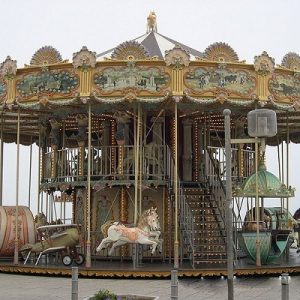
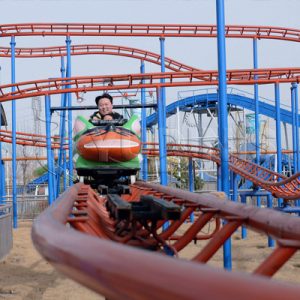
Two carousels can have identical dimensions and still feel completely different to guests. One looks like a modern fairground machine; the other feels like it has stood in the park for a century. The difference comes down to styling decisions: palette, lighting, painted detail, horses, and carriages. This guide explains how to achieve authentic vintage carousel styling and which elements matter most.
Build the Color Palette First
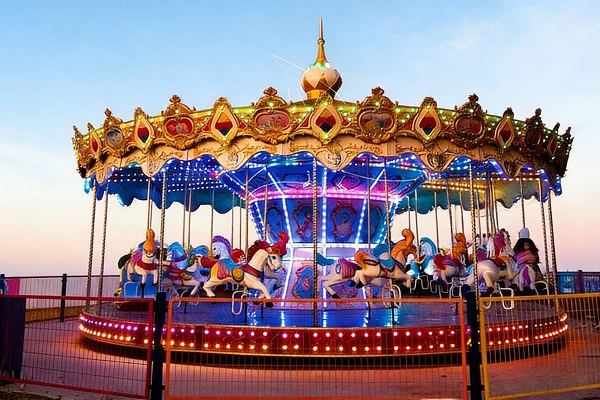
Vintage carousels rely on warm, deep, and slightly muted colors rather than bright primaries. Gold and brass frames, cream and ivory panels, deep red, forest green, navy, and burgundy form the classic base, while gold leaf or painted highlights define the edges of every panel. Balance is important: one dominant color, one secondary tone, and metallic accents produce a richer look than many competing hues. This is one of the first decisions to settle because every other detail follows the palette.
Lighting That Feels Period-Correct
Modern LED lighting can look vintage if it is chosen carefully. Warm white and amber tones around 2,700 to 3,200 K reproduce the glow of incandescent bulbs, while decorative fixtures such as round opal globes, crown lights, and cornice strips recreate the original silhouette. Avoid cold white floods that flatten the structure. Dimming scenes for evening operation also add atmosphere without losing the brightness guests expect.
Painted Panels, Scrollwork, and Scenery
The painted details are what make a carousel photograph beautifully. Scrolling foliage, ribbon borders, landscape scenes, cherubs, and hand-painted panels on the canopy and rounding boards create the sense of craftsmanship. Cornice patterns and mirrored panels add depth and reflect light at night. Consistent motifs across the platform, canopy, and station give the ride a unified design instead of a collection of unrelated decorations.
Horses, Carriages, and Figures
The figures carry most of the character. Classic options include jumping and standing horses with carved manes, glass jewels, and detailed saddles, alongside themed carriages, gondolas, and novelty figures such as cherubs or balloons. A mixed set – several horses, two carriages, and one or two feature figures – keeps the platform interesting and gives families something different to choose on each visit. Custom classic carousel horses and carriages can also carry your park’s colors and logo for brand consistency.
Materials and Craft Technique
Traditional carousels used carved wood, and modern versions reproduce that look using fiberglass-reinforced plastic with hand-painted finishes. The quality of the painting process matters more than the base material: multiple primer coats, hand-applied detail, and clear protective lacquer keep colors rich for years. Reviewing a manufacturer’s production process is a reliable way to judge whether the final ride will look authentic, and the carousel crafting process shows what professional finishing involves.
Budgeting the Vintage Look
Styling costs scale with complexity. A restrained palette with good lighting and simple painted borders is affordable, while full scenery panels, gold leaf, and custom figures represent a significant share of the total price. For most parks, the best value comes from investing in the elements guests notice most – lighting, horses, and painted cornice detail – and simplifying the parts hidden from view.
A truly vintage carousel is a combination of careful color choice, warm lighting, quality painting, and characterful figures. Work with an experienced Dinis vintage carousel supplier that offers these options as a coordinated package, and explore the history of the antique carousel to see how these design traditions developed. To review styles, figures, and lighting packages, visit https://www.topridesale.com/antique-carousel-for-sale/ and request a customized design proposal.